The digitalisation of NB-IoT-enabled water meters is reshaping how utilities manage and operate their networks. The project developed with EMASA —the Municipal Water Company of Málaga— is one of the most representative large-scale deployments in Spain. EMASA initiated the modernisation of its entire fleet of 240,000 domestic water meters, all equipped with the UNE 82326:2010 standard, using NB-IoT as the core communication technology.
The tender required the installation of NB-IoT concentrator gateways capable of integrating meters from different manufacturers, models, and installation years. Following the evaluation process, Datakorum was awarded 40% of the total project, supplying 3,600 IoT concentrator devices for mass deployment across the city.
Challenge: moving towards the large-scale digitalisation of UNE meters via NB-IoT
The project required a solution capable of:
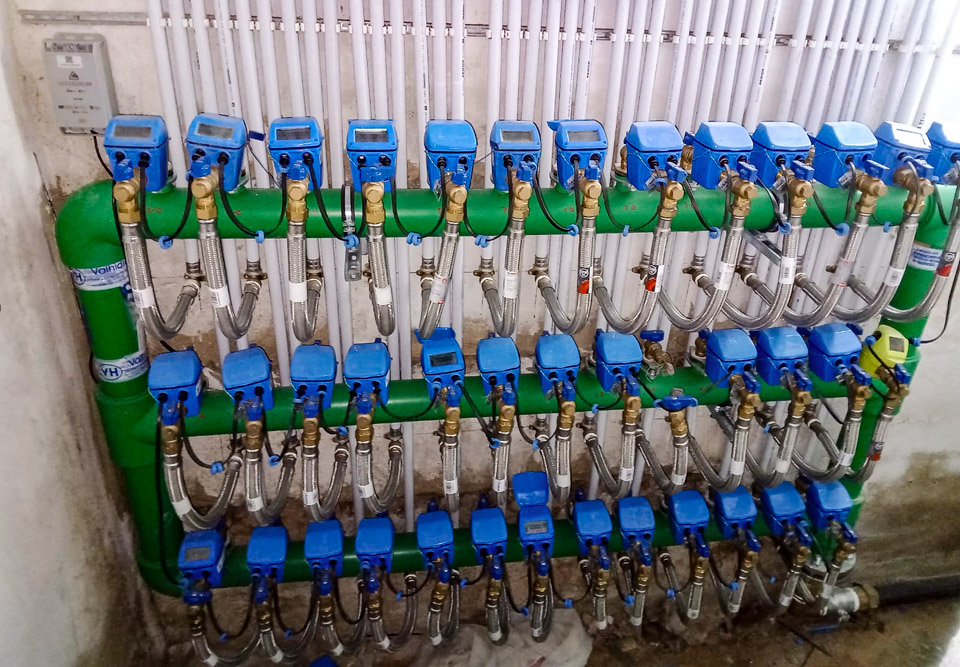
- Integrating the existing fleet of meters already equipped with the UNE 82326:2010 local communication protocol.
- A simple installation process to ensure minimal deployment time.
- Ensure long-term efficiency through autonomy, remote updates and the elimination of the need for maintenance.
- Monitor and control thousands of devices distributed across the network from the control centre.
- Automate the manual reading process with reliable and traceable daily NB-IoT remote reading.
Solution: NB-IoT Concentrator Gateways Designed for Large-Scale Deployments
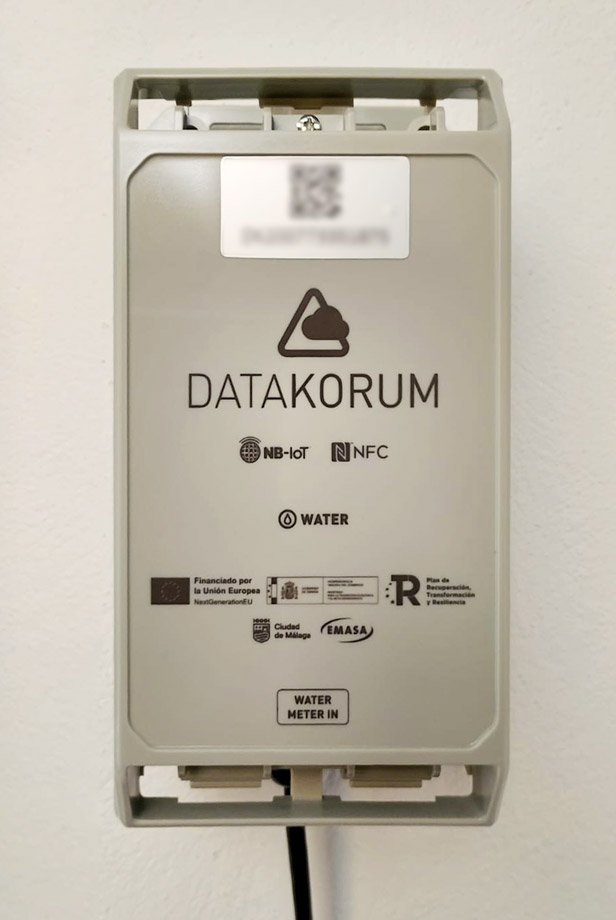
Datakorum supplied the ONMI20UNE, an NB-IoT concentrator gateway specifically engineered for domestic metering environments and demanding field conditions.
Native Interoperability
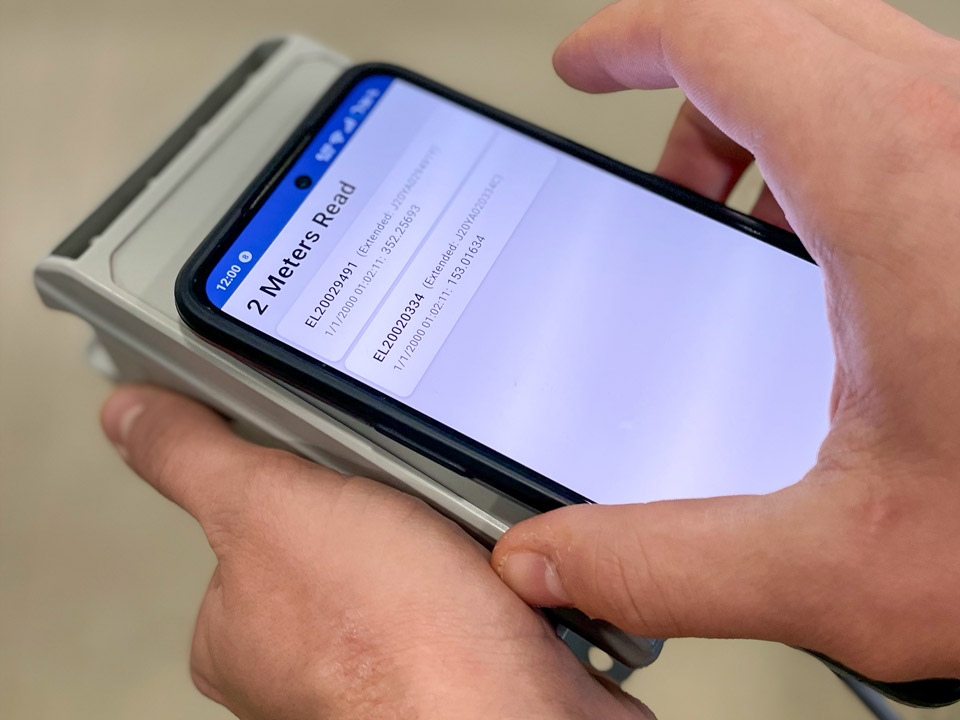
The device integrates seamlessly with the UNE 82326:2010 standard, allowing a single gateway to connect to meter banks of up to 50 devices without replacing existing meters or modifying the infrastructure.
Simplified Installation
Commissioning is reduced to the essentials:
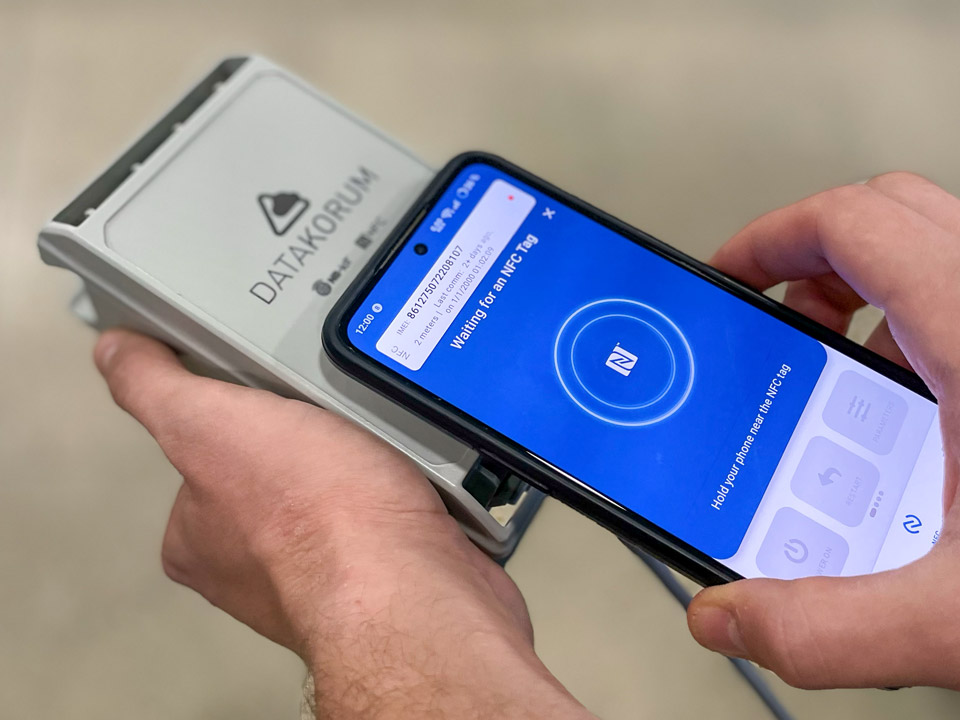
- NFC local configuration, without cables or laptops, confirming power-up, network connection and the first successful data transmission.
- Devices are preconfigured in the factory to send data directly to the client’s endpoint.
- Native integration with the customer platform, retrieving all meter data available through the UNE protocol.
Datakorum’s approach combines long-term technological robustness with field simplicity—minimising incidents, accelerating deployment and giving installation teams full autonomy.
Operational Reliability in Any Environment
- IP68 protection, suitable for chambers, basements and underground meter rooms with humidity, limited ventilation or coastal salinity.
- Long-life battery with multi-cell design, replaceable by the customer after more than 12 years of service.
- FOTA updates throughout the entire lifecycle, keeping devices compliant and secure without physical intervention.
- Multi-operator NB-IoT SIM capability, selecting the most suitable network at any moment.
- Local encrypted storage in case of temporary network outages.
Centralised Monitoring and Deployment Support
TRANGO plays a key role during the initial phases of the project. EMASA uses TRANGO together with BaseCamp—Datakorum’s field deployment tool—to verify in real time:
device power-up,
NB-IoT signal quality,
data coherence,
list of associated meters,
and GPS positioning.
In addition, TRANGO enables native data integration from day one, allowing EMASA to begin automatic billing immediately, even before the final platform integration is fully completed.
Large-scale deployments often present challenges related to network resilience. Thousands of daily messages must be synchronised and delivered on time to analyse DMAs, hydraulic balances and night-time minimum flows. Datakorum works closely with the utility to validate network reliability by performing stress tests and simultaneous data bursts, assessing KPIs such as successful/failed transmissions and delivery ratios.
This approach positions Datakorum not only as a hardware provider, but as a technology partner supporting EMASA throughout the entire commissioning and operational start-up process.
Results
Fast, Real-Time Verified Deployment
The combined use of BaseCamp and TRANGO allows immediate verification of every installation, ensuring NB-IoT communication and reducing unnecessary field visits. This accelerates deployment and increases operational confidence from the first day.
Seamless Integration with Existing Meters
Native support for UNE 82326:2010 ensures straightforward integration with the existing meter base, avoiding replacements or service interruptions.
Immediate Availability of Billing Data
While final platform integration progresses, TRANGO provides immediate access to remote readings, enabling automated billing processes from the very first device installed.
Technical Validation Through Stress Testing
Datakorum performs load and simultaneous transmission tests to evaluate network capacity and identify message peaks or bottlenecks. KPIs such as delivery success rate and device performance are monitored to guarantee infrastructure robustness.
Reduced Long-Term Operational Costs
Beyond the obvious savings associated with remote reading, the ONMI20UNE’s durable design—replaceable battery, IP68 enclosure, FOTA updates and zero physical maintenance—minimises field operations and optimises total project value.
Conclusion
The EMASA project highlights the importance of designing a flexible, interoperable and scalable architecture for large-scale water network digitalisation.
The combination of native hardware-software integration, operational agility and Datakorum’s expertise has enabled a structured, efficient and sustainable digital transformation.
TRANGO and BaseCamp have been essential to ensuring full operability from day one, demonstrating how the right tools can make the initial deployment experience seamless and aligned with the utility’s expectations.